
How Smart Home Lighting Often Fails Without Early Design Coordination
Learn why smart home lighting systems often fail when lighting design, automation, ceilings, and MEP coordination are not planned early in UAE projects.
Jul 28, 2026
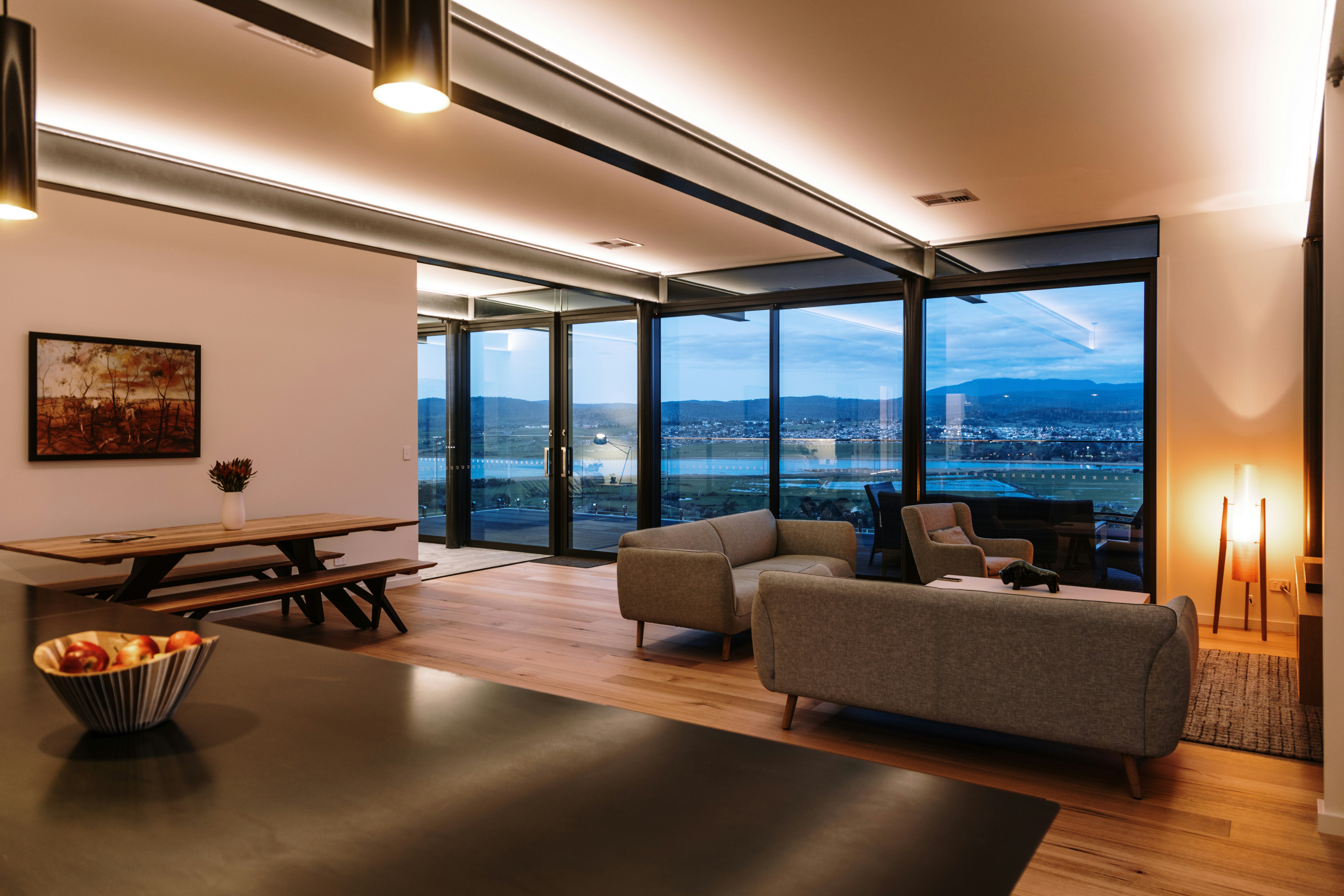
Smart home lighting has become a standard expectation in many luxury villas, branded residences, hospitality spaces, private offices, and high end interiors across Dubai and the UAE. Clients expect lighting that can shift between moods, support different activities, respond to time of day, integrate with automation systems, and create a refined experience with a single touch.
The promise is simple. A home or space should feel intelligent, comfortable, and effortless. Lights should dim smoothly, scenes should feel natural, and every room should respond to how people actually live, work, relax, entertain, or move through the space.
But in many projects, the final result is very different from the expectation.
Scenes feel awkward. Some areas are too bright while others are too dim. Decorative fixtures do not dim properly. Cove lighting flickers. Smart switches control the wrong zones. Lights create glare even though the system is automated. The client has advanced technology, but the experience still feels poorly designed.
This usually happens because smart lighting is planned too late or treated separately from architectural lighting design.
A smart lighting system is only as good as the lighting strategy behind it. Automation can control light, but it cannot fix poor fixture placement, weak lighting hierarchy, wrong colour temperature, incompatible drivers, bad circuit grouping, or missing coordination. This is why early design coordination is critical.
The Common Misunderstanding About Smart Lighting
One of the biggest mistakes in smart home lighting is assuming that the automation system creates the lighting experience on its own.
It does not.
Automation controls lighting, but lighting design defines what should be controlled. If the design strategy is weak, the automation system simply makes weak lighting easier to switch on and off.
A good smart lighting experience depends on the relationship between fixture selection, lighting layers, circuiting, dimming, zoning, user behaviour, interior materials, and scene programming. These decisions need to be made before installation, not after the ceiling is closed and the system is being programmed.
When automation is introduced late, it often becomes a technical overlay. The system may function correctly, but the lighting does not feel right. This is the difference between a smart system and a well designed lighting experience.
Why Smart Lighting Often Fails
Smart lighting usually fails because the lighting design process and the automation design process are not properly connected.
The architect may define the space. The interior designer may select the ambience. The MEP team may plan the electrical infrastructure. The automation consultant may install the control system. The supplier may provide the fixtures. But if no one coordinates these decisions through a unified lighting strategy, the final result becomes fragmented.
A luxury villa might have premium dimmers, a high end control system, beautiful switches, and expensive fixtures, but still feel uncomfortable because the zones were not planned correctly. A hotel suite may have multiple scenes, but if the lighting layers are not separated properly, every scene feels like a variation of the same flat lighting. A majlis or dining area may have decorative lighting and concealed lighting, but if beam angles and glare are not reviewed, the space may still feel harsh.
The failure is rarely one single issue. It is usually the result of multiple small coordination gaps that appear together during commissioning or handover.
Mistake 1: Planning Automation Before Lighting Hierarchy
Lighting hierarchy defines how different layers of light work together. It determines what should be ambient, what should be accent, what should support tasks, what should highlight materials, and what should remain soft or secondary.
If automation zones are created before this hierarchy is clear, the system may group fixtures incorrectly. Downlights, coves, decorative lighting, wall washers, joinery lighting, landscape lighting, and task lighting may be controlled in ways that do not support the actual design intent.
For example, a living room may need separate control for soft ambient light, artwork lighting, cove lighting, table lamps, decorative pendants, and low level night lighting. If these are not separated correctly from the beginning, the automation system cannot create proper scenes later.
Early lighting consultancy ensures that automation zones follow the lighting strategy rather than technical convenience.
Mistake 2: Creating Scenes Without Understanding How the Space Will Be Used
A lighting scene should reflect real behaviour.
In a luxury home, a living room may need a family scene, hosting scene, cinema scene, evening scene, cleaning scene, and night scene. A bedroom may need dressing, reading, relaxation, night, and morning scenes. A restaurant may need lunch, dinner, late evening, service, and closing scenes. A hotel suite may need arrival, relaxation, working, bathroom night mode, and sleep scenes.
When scenes are planned after installation, they are often based on what circuits exist rather than what users actually need. This leads to scenes that are technically available but emotionally weak or practically confusing.
Early coordination allows the lighting consultant and automation consultant to design scenes around the intended experience. This makes the system feel intuitive rather than complicated.
Mistake 3: Not Checking Fixture and Driver Compatibility
Smart lighting depends heavily on compatibility between fixtures, drivers, dimmers, and control systems.
A fixture may look correct visually but fail when connected to a dimming system. It may flicker, buzz, dim unevenly, fail to reach low dimming levels, or shift colour unexpectedly. Cove lighting may show inconsistent output. Decorative fixtures may not respond smoothly. Linear lighting may behave differently from downlights even when placed on the same control system.
These issues often appear late, during commissioning, when replacement is expensive and frustrating.
A lighting specification consultant reviews fixture performance, driver requirements, dimming protocols, control compatibility, load conditions, and installation details early. This protects the final user experience and reduces the risk of technical failure.
Mistake 4: Finalising Ceiling Plans Before Control Zones Are Understood
Ceiling layouts directly affect smart lighting performance.
Fixture locations, circuit grouping, sensor placement, speaker coordination, HVAC conflicts, access panels, driver locations, and automation wiring all interact with the ceiling plan. If lighting and automation are not reviewed before reflected ceiling plans are finalised, the system may be forced into compromised positions.
This can result in awkward fixture placement, poor beam angles, inaccessible drivers, or lighting groups that do not align with how the space should be used.
In UAE projects, where ceilings often carry complex MEP systems, concealed lighting, speakers, sensors, and decorative details, early coordination is especially important. Lighting design should influence ceiling planning, not be forced into a completed ceiling layout.
Mistake 5: Ignoring Glare in Automated Scenes
Automation does not automatically solve glare.
A scene can be dimmed and still feel uncomfortable if fixtures are poorly positioned or aimed incorrectly. Glare can come from exposed sources, wrong beam angles, polished marble, glossy joinery, metal finishes, mirrors, glass, or large glazed openings.
In Dubai and the UAE, strong daylight and reflective interior materials make glare control especially important. A space may feel comfortable during the day but harsh in the evening if artificial lighting is not properly balanced.
Smart lighting should include glare control as part of the design strategy. This means reviewing fixture position, recess depth, beam spread, viewing angles, surface reflectance, and dimming levels before the system is installed.
Mistake 6: Treating Decorative Lighting Separately From Architectural Lighting
Decorative lighting is often selected for visual impact, but it still needs technical coordination.
Pendants, chandeliers, wall lights, table lamps, and feature fixtures must work with the architectural lighting scheme. If decorative lighting is selected separately, it may create uneven brightness, poor dimming behaviour, visual clutter, or scenes that feel unbalanced.
In luxury interiors, decorative fixtures should not compete with architectural lighting. They should complement the overall hierarchy. A chandelier may provide visual focus, but it may not provide enough functional light. Cove lighting may provide softness, but it may not highlight artwork. Downlights may provide task light, but they may not create ambience on their own.
A coordinated lighting strategy ensures that every layer contributes to the same experience.
Mistake 7: Leaving Commissioning Too Late
Commissioning is where smart lighting becomes real.
This is the stage where scenes are programmed, dimming levels are adjusted, beam angles are refined, and the final lighting experience is calibrated. If commissioning is treated as a technical handover task only, the final result may not reflect the design intent.
Scene setting should be guided by the lighting strategy. The question should not only be whether the system works. The question should be whether each scene feels right for the space and the user.
In luxury residential and hospitality projects, final calibration can be the difference between a system that feels premium and one that feels confusing.
Why This Matters More in UAE Luxury Projects
Smart lighting coordination is especially important in UAE projects because the design environment is more demanding than many standard residential or commercial projects.
Luxury villas in Palm Jumeirah, Emirates Hills, Dubai Hills, and similar communities often include large rooms, double height spaces, high reflectance materials, outdoor to indoor transitions, custom joinery, landscape lighting, and extensive automation. Hospitality and high end commercial spaces often require lighting scenes that shift across the day while maintaining comfort, brand experience, and operational efficiency.
Strong natural daylight, premium finishes, and complex MEP systems all increase the importance of early coordination. Compliance requirements from utility authorities such as DEWA in Dubai, alongside sustainability frameworks like LEED and Estidama, also mean lighting performance and energy strategy should be planned during design rather than corrected later.
Lighting can account for 15 to 20 percent of a commercial building’s electricity use, making it a meaningful part of energy strategy and sustainability compliance. While residential usage patterns differ, smart lighting still has a direct role in comfort, usability, and energy conscious operation.
The Role of a Lighting Consultant in Smart Home Lighting
A lighting consultant helps prevent smart lighting failure by connecting design intent with technical execution.
This includes defining lighting hierarchy, planning control zones, reviewing fixture and driver compatibility, coordinating with automation consultants, validating glare control, preparing lighting documentation, and supporting scene setting during commissioning.
Simulation tools such as DIALux and Relux may also be used to assess lux levels, beam spread, and surface illumination before installation. This helps project teams understand whether the lighting strategy will perform correctly before ceilings, wiring, and control systems are finalised.
For architects and developers, the value is clarity. For automation consultants, it provides a better foundation for programming. For clients, it creates a system that feels intuitive, comfortable, and aligned with the intended design experience.
Nakashi’s AuraSync Approach to Smart Lighting Coordination
Nakashi approaches lighting as an architectural discipline rather than a product decision.
Developed through more than 14 years of lighting industry experience across the UAE, the AuraSync framework helps architects, developers, and project teams coordinate lighting before critical design decisions are locked.
AuraSync is structured around different levels of project involvement.
Refine supports projects that already have lighting layouts and require technical validation before installation. This is useful when a project needs review for glare, beam angles, lux levels, driver placement, and specification alignment before work reaches site.
Studio supports projects during the design stage, where lighting hierarchy, control zones, joinery lighting, simulations, and documentation still need to be developed. This is often the ideal stage for smart lighting coordination because the lighting strategy can still influence ceiling plans, automation groups, and MEP coordination.
Complete supports projects requiring end to end lighting consultancy from early concept through technical coordination, construction support, scene setting, and final commissioning. This level is suited to projects where smart lighting, ambience, user experience, and final calibration must be protected across every stage.
Consultancy fees are scoped per project based on scale, complexity, and depth of involvement, allowing project teams to plan lighting investment early in the design phase.
This structured approach ensures that smart lighting is not treated as an add on. It is planned, validated, coordinated, and calibrated as part of the overall architectural lighting strategy.
Final Thoughts
Smart home lighting should feel effortless, but effortless results require early coordination.
When lighting design and automation are planned separately, even the best control system can fail to deliver the intended experience. Scenes may feel wrong, glare may remain unresolved, dimming may be inconsistent, and the user may end up with a complex system that does not feel intuitive.
When lighting consultancy begins early, the automation system has a clear design strategy to support. Fixtures, drivers, circuits, zones, scenes, ceiling layouts, and user behaviour can all be coordinated before the project reaches site.
For luxury residential, hospitality, and high end interior projects in Dubai and across the UAE, smart lighting succeeds when technology follows design, not the other way around.
Ready to Coordinate Smart Lighting Before It Becomes a Site Problem
Nakashi’s AuraSync lighting consultancy supports architects, developers, and project teams through structured lighting coordination for smart homes, luxury interiors, hospitality spaces, and high end architectural projects.
Explore AuraSync or contact the Nakashi team to discuss your project.
FAQs
Why does smart home lighting fail?
Smart home lighting often fails when automation is planned separately from lighting design. Poor fixture placement, weak zoning, incompatible drivers, unclear scene logic, and late coordination can all lead to uncomfortable or confusing lighting experiences.
When should smart lighting coordination start?
Smart lighting coordination should start during the early design or detailed design stage, before ceiling plans, wiring, control zones, fixture specifications, and automation systems are finalised.
Does automation fix poor lighting design?
No. Automation can control lighting, but it cannot fix poor lighting hierarchy, glare, wrong beam angles, incompatible fixtures, or weak scene planning. Good smart lighting requires a strong lighting design strategy first.
How much does lighting consultancy for smart home projects cost in UAE?
Lighting consultancy fees are scoped per project based on scale, complexity, and depth of involvement. Costs are typically discussed during initial project consultations to ensure alignment with project scope.


